Interest Compounding
Hidden APR adjustments and interest front-loading techniques can increase the total debt burden by 15-20% over the lifecycle of a standard 48-month agreement.

New guides and news straight to your email.
Hidden APR adjustments and interest front-loading techniques can increase the total debt burden by 15-20% over the lifecycle of a standard 48-month agreement.
Vehicles often lose value faster than the principal is repaid, creating "negative equity" where the loan balance exceeds the actual market value of the asset.
Document fees, early settlement penalties, and strictly enforced wear-and-tear clauses add significant overhead that is rarely highlighted at the point of sale.
Modern vehicle financing is built upon complex mathematical models designed to maximize lender yield while maintaining monthly affordability for the consumer. The most common structure, Personal Contract Purchase (PCP), functions as a hybrid between a loan and a lease. By deferring a significant portion of the principal to the end of the term, lenders can offer lower monthly payments. However, this structure results in higher total interest costs because the interest is calculated on the full balance, including the deferred "balloon" amount, throughout the entire duration of the contract.
Data from 2023 indicates that over 80% of new private vehicle registrations in the UK were financed through some form of credit. This reliance on debt has led to the proliferation of "add-on" products designed to protect the lender's margin. Understanding the difference between simple interest and compound interest in these contracts is vital. Many consumers fail to realize that even a 1% difference in APR can result in thousands of pounds in additional costs over a five-year period, especially when combined with high-value SUVs or luxury sedans.
"The primary risk in modern automotive credit isn't the monthly payment; it is the systemic misalignment between the loan amortization schedule and the actual market depreciation of the asset."
The "Balloon Payment" or Optional Final Payment is the cornerstone of the PCP model. While it makes luxury vehicles accessible, it creates a "cliff edge" at the end of the 36 or 48-month term. If the used car market experiences a downturn, the Guaranteed Future Minimum Value (GFMV) set by the lender may be higher than the car's actual worth.
This leaves the consumer with three difficult choices: pay a massive lump sum to own the car, return the car and walk away with zero equity for a next deposit, or refinance the balloon payment at potentially higher interest rates. This cycle often leads to perpetual debt, where the consumer is forced into a new finance agreement simply because they lack the capital to exit the current one.
Market Volatility: Used EV prices dropped by 23% in 2023, leaving many balloon payments underwater.
Refinancing Costs: Interest rates for used car refinancing are typically 3-5% higher than new car incentives.
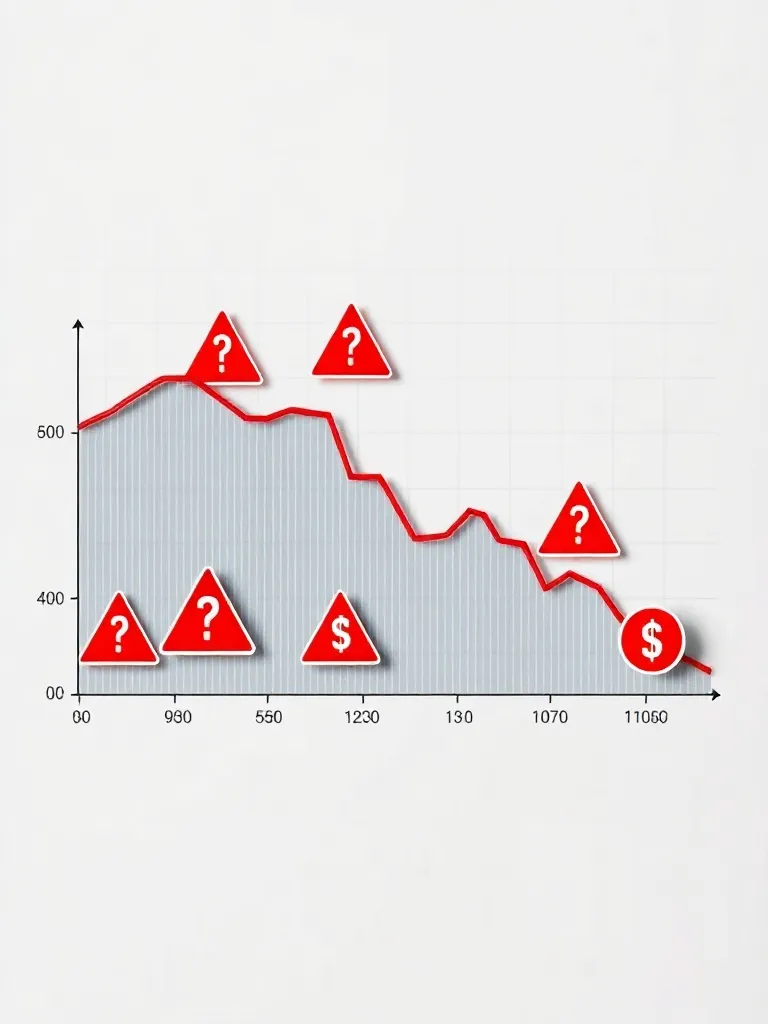
If your vehicle is totaled or stolen, standard comprehensive insurance only pays the current market value. On a financed car, this payout is often significantly lower than the remaining loan balance. Guaranteed Asset Protection (GAP) insurance covers this shortfall, preventing you from paying for a "ghost asset" you no longer possess.
Dealerships often mark up GAP insurance by 300%. While the product is necessary for high-leverage loans, sourcing it from independent providers can save the consumer hundreds of pounds while providing identical coverage levels for total loss scenarios.
Estimated Protection Gap for a £40,000 Vehicle after 24 Months:
Arrears Rate
Rise in 30-day delinquencies across prime lending portfolios.
Repossessions
Increase in involuntary vehicle recoveries compared to Q4 2023.
Avg. Neg. Equity
The average shortfall for consumers trading in 3-year-old vehicles.
Credit Score Floor
New tightened requirement for Tier-1 interest rate eligibility.
Source: Automotive Finance Intelligence Report, Q2 2024 Update.
Secure a loan offer from your personal bank or a credit union before visiting the dealership. This establishes a baseline APR that the dealer must beat to earn your business.
Do not negotiate on monthly payments. Negotiate on the "On-The-Road" price first. Use our Total Cost of Ownership (TCO) Metrics to factor in fuel, tax, and insurance.
Review the early settlement terms. Ensure that if your financial situation changes, you can exit the agreement without paying 100% of the remaining interest. Check Refinancing Strategies for exit plans.
Download our full analysis on secondary market valuation trends to ensure you aren't overpaying for your next vehicle.