Envelope Integrity
Analysis of thermal bridging and air leakage points within the residential structure to prevent heat loss during peak winter cycles.
Read StandardsSystematic implementation of building envelope upgrades and mechanical system regulation to reduce operational overhead. This documentation outlines the transition from legacy housing maintenance to high-efficiency infrastructure management.
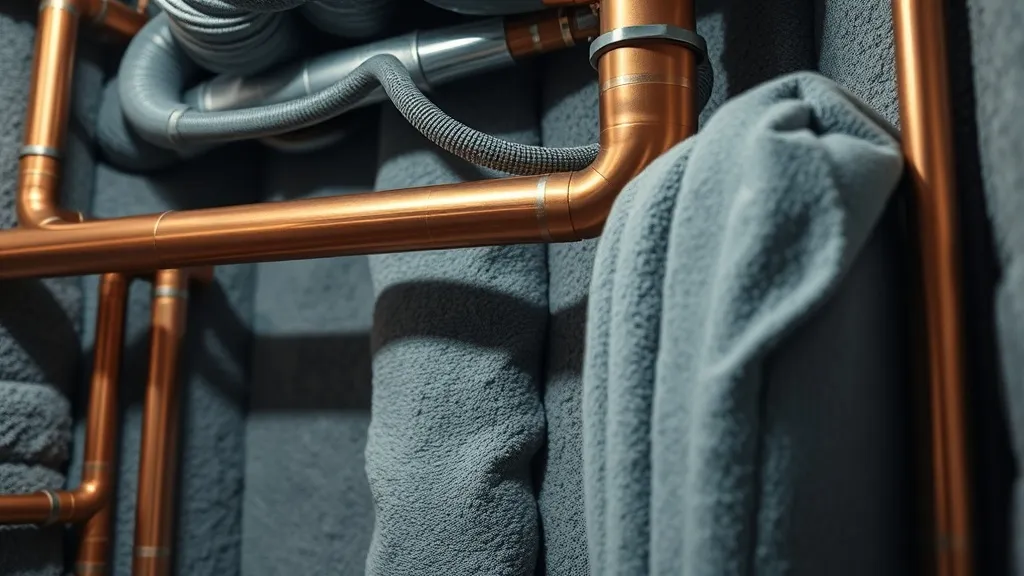
Analysis of thermal bridging and air leakage points within the residential structure to prevent heat loss during peak winter cycles.
Read StandardsScheduled maintenance protocols for HVAC and water heating units to maintain operational efficiency ratings above 95%.
System MaintenanceIntegration of smart metering and automated load balancing to synchronize consumption with off-peak utility pricing.
Metering ProtocolsThe process of residential infrastructure optimization begins with a comprehensive assessment of the building envelope. Observations indicate that approximately 35% of thermal energy is lost through uninsulated attic spaces and wall cavities. In accordance with current municipal building codes, the implementation of R-60 rated attic insulation is the baseline requirement for mitigating vertical heat transfer. The documentary evidence suggests that transitioning from fiberglass batts to blown-in cellulose provides a more consistent thermal barrier, effectively sealing irregular gaps.
Secondary focus is directed toward the fenestration units and exterior door seals. Monitoring of internal temperatures reveals that aging double-pane windows often suffer from seal failure, leading to argon gas depletion and increased U-factors. The replacement of these units with triple-pane, Low-E coated alternatives reduces solar gain in the summer and retains internal heat during the winter months. This development is critical for stabilizing the internal climate without increasing the mechanical load on the furnace.
"Data collected from residential audits shows that air leakage accounts for up to 40% of total heating and cooling costs. Systematic sealing of the top plate, rim joists, and utility penetrations is the most cost-effective intervention available to homeowners."
Basement and crawl space insulation represents the final phase of envelope optimization. Observations of heat flow patterns indicate that uninsulated concrete foundation walls act as a massive heat sink, drawing energy out of the living space. Applying rigid foam insulation (EPS or XPS) directly to the interior foundation walls creates a continuous thermal break. This procedure not only reduces energy consumption but also mitigates the risk of moisture condensation and subsequent structural degradation.
The mechanical heart of the residence requires a strict adherence to maintenance schedules to ensure peak performance. Continuous operation of a furnace with a restricted air filter leads to increased static pressure, which forces the blower motor to consume more electricity while delivering less airflow.
Inspection of MERV-11 or higher filters every 30 days during peak heating and cooling seasons.
Professional inspection for hairline fractures or soot accumulation to prevent carbon monoxide leaks and efficiency drops.
Clearing of external debris from AC units to maintain optimal refrigerant phase-change cycles.
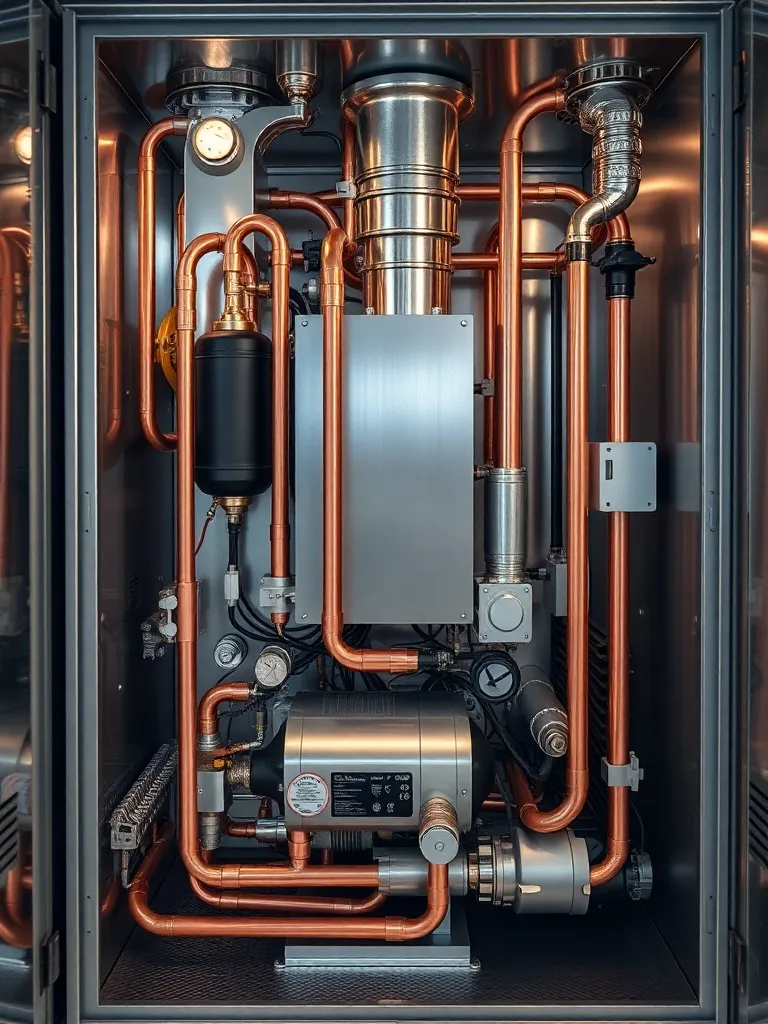
The integration of digital monitoring systems allows for real-time observation of consumption patterns. Smart meters, when interfaced with home automation hubs, enable the owner to identify "vampire loads"—devices that consume power while in standby mode. Data indicates that these idle loads can account for up to 10% of a monthly utility bill. By implementing smart power strips and automated scheduling, these loads are eliminated during hours of non-occupancy.
| System Component | Function | Energy Saving Potential |
|---|---|---|
| Smart Thermostat | Adaptive scheduling based on occupancy | 15% on HVAC |
| Circuit Level Monitor | Real-time appliance power tracking | 8% on Base Load |
| Automated Blinds | Passive solar gain management | 5% on Cooling |
Furthermore, the synchronization of high-draw appliances (dishwashers, laundry units) with off-peak utility pricing periods results in direct financial savings without reducing total energy usage. This strategy, known as load shifting, is a cornerstone of modern residential infrastructure optimization. For more details on managing these costs, refer to our Energy Consumption Regulation guide.
Official verification of infrastructure upgrades is necessary for accessing municipal rebates and increasing property valuation. The process follows a strict regulatory framework.
Access the full suite of infrastructure optimization protocols and begin the transition to a high-efficiency residential model today.